TIME TO RESCIND OR REVISE NATIVE AMERICAN GRAVE PROTECTION AND REPATRIATION ACT (NAGPRA) REGULATIONS
(EFFECTIVE JANUARY 2024)
Revisions to the implementing regulations for the Native American Grave Protection and Repatriation Act of 1990 (NAGPRA), effective January 12, 2024, were ostensibly intended to speed the return of ancestors and artifacts to tribes and to give Native Nation governments greater authority in how Native heritage is managed in institutions receiving federal funding. However, these dangerously flawed regulations promulgated by DOI under the Biden administration go well beyond such intentions and require wholesale revision to correct both the functional and legal problems created.
The new regulations mandate ‘deference’ to Native American ‘traditional knowledge’ and require prior permission from Native American tribes and Native Hawaiian Organizations for museums to exhibit artifacts. These NAGPRA revisions have resulted in shuttered museum galleries and have dramatically altered public and scholarly access to American history and heritage. Archaeological research on America’s prehistory has now virtually ceased. The new rules repurpose NAGPRA to give complete authority and control over all Native American art and artifacts in museums and federal agencies to tribes and Native Hawaiians organizations, effectively requiring tribal permission for museum and institutional management and administration of historical collections.
On January 26, 2024, the American Museum of Natural History in New York City, the largest natural history museum in the world, announced that the museum would close its entire Native American exhibit halls, pending determination of compliance with the new NAGPRA rules. A sign at the museum posted in February 2024 reads: “The artifacts in this case have been removed from view because the Museum does not have consent to display them.” The Denver Museum of Art has removed a display case of ceramics, the Cleveland Museum of Art has covered three of its six cases of Native North American art, the Peabody Museum of Archaeology and Ethnology at Harvard University will remove funerary items from exhibition. The Seattle Art Museum has removed Northwest Coast objects of Tlingit origin from its galleries, deeming them ‘cultural objects’ for which permission to display them must first be obtained and is considering removing more. In May 2025, the Metropolitan Museum of Art’s Rockefeller Wing reopened after a 4-year, 70-million-dollar remodel. Missing from the world cultures represented in the Rockefeller wing were artifacts produced by Native Hawaiians—every other Polynesian culture is represented. The David Geffen Galleries at LACMA opened on April 19, 2026 with none of the museum’s collection of Native American art installed-except for a couple of late Pueblo pots. Conspicuously absent from the gallery devoted to Pacific cultures is art from the indigenous Hawaiian culture of our 50th State. The art of U.S. native cultures, Native American, Alaskan and Hawaiian have for the most part disappeared from display, courtesy of these destructive new NAGPRA regulations.
The requirement for prior consent to display ‘cultural’ items requires museums to obtain permission from Native American tribal governments, Native Hawaiian Organizations and Alaska Native Corporations whose cultural items are represented in their collections. This poses a very daunting task as there are over 550 federally recognized tribes in the continental U.S. and more than 120 Native Hawaiian Organizations which are effectively self-designated and federally recognized for only 5-year periods. Ordinary objects created for sale, are now subject to repatriation on demand under the new regulations which require deference to “Native American traditional knowledge”. Many poorly informed (or possibly virtue signaling) museums now believe that they must or should defer even to the claims of politically motivated activists who have no objective evidence whatsoever to support their characterization of an object as Cultural Property or its actual connection to a particular tribe.
The regulations do not address the possibility that a tribe and museum may disagree as to what is a ‘Cultural Property’ subject to the prior permission requirement for display. What if the tribe does not answer a request for permission to display? What if a tribe refuses a request by a museum for permission to display? Does a museum have a right to seek a nonbinding decision from the NAGPRA Committee or seek relief in Federal Court? The new regulations provide absolutely no guidance on any of these issues, rendering collection management currently impossible under the NAGPRA law.
Native Hawaiian Organizations encompass a broad range of social, spiritual, and business organizations without any consistent ‘traditional knowledge’. Hawaii has no permanent ‘tribal organization’ or established community ownership of ‘inalienable property’. Native Hawaiian Organizations are not tribes, and no one organization can speak for all Native Hawaiians. There is no Hawaiian entity to go to obtain full, informed, and prior consent to the management, usage or display of Native Hawaiian items. The new regulation does not provide any guidance as to what the consent of Native Hawaiian Organizations would look like. Is consent required from all 120 plus organizations, most organizations, a few organizations or just one of them to meet this mandate under Section 10.1 (d)?
The new regulations introduce the novel, non-Western legal concept: Native American traditional knowledge”. The term is a first-time experiment with the use of myth, magical thinking, purposeful vagueness and restorative justice in regulations implementing a U.S. statute:
“Native American traditional knowledge means, philosophies, beliefs, tradition skills, and practices that are developed, embedded, and often safeguarded by or confidential to individual Native Americans, Indian Tribes, or the Native Hawaiian Community. Native American traditional knowledge contextualizes relationships between and among people, the places they inhabit, and the broader world around them, covering a wide variety of information, including, but not limited to, cultural, ecological, linguistic, religious, scientific, societal, spiritual and technical knowledge. Native American traditional knowledge may be, but is not required to be, developed, sustained, and passed through time, often forming part of a cultural or spiritual identity. Native American traditional knowledge is expert opinion.”
Section 10.1(a) of the new regulations states in part that “consistent with the Act, these regulations require deference to Native American traditional knowledge of lineal descendants, Indian tribes, and Native Hawaiian Organizations.” The regulations propose to elevate hearsay and myth over history, science and scholarship. Deference to currently held “traditional knowledge” may lead to unexpected and unpredictable results. For example, an object not previously considered a “sacred object” may now be repatriated based upon a claim by a current tribal government or Native Hawaiian Organization that it is sacred, based solely upon newly developed traditional knowledge.
The revised regulations constitute gross agency overreach. NAGPRA itself contains no reference to Native American traditional knowledge, yet this unconstitutionally vague term is a key operative provision in the new regulations. In addition, the NAGPRA law itself does not mandate deference to this newly invented term. Clearly, the revised regulations cannot, and should not, withstand legal challenge after the U.S. Supreme Court’s decisions in the Loper Bright Enterprise v. Raimondo and Relentless Inc. v. Department of Commerce cases, overturning the Chevron agency deference standard. Legal challenges to the new NAGPRA regulations are certainly coming. DOI should remedy these flawed regulations before the agency is obligated to defend the indefensible.
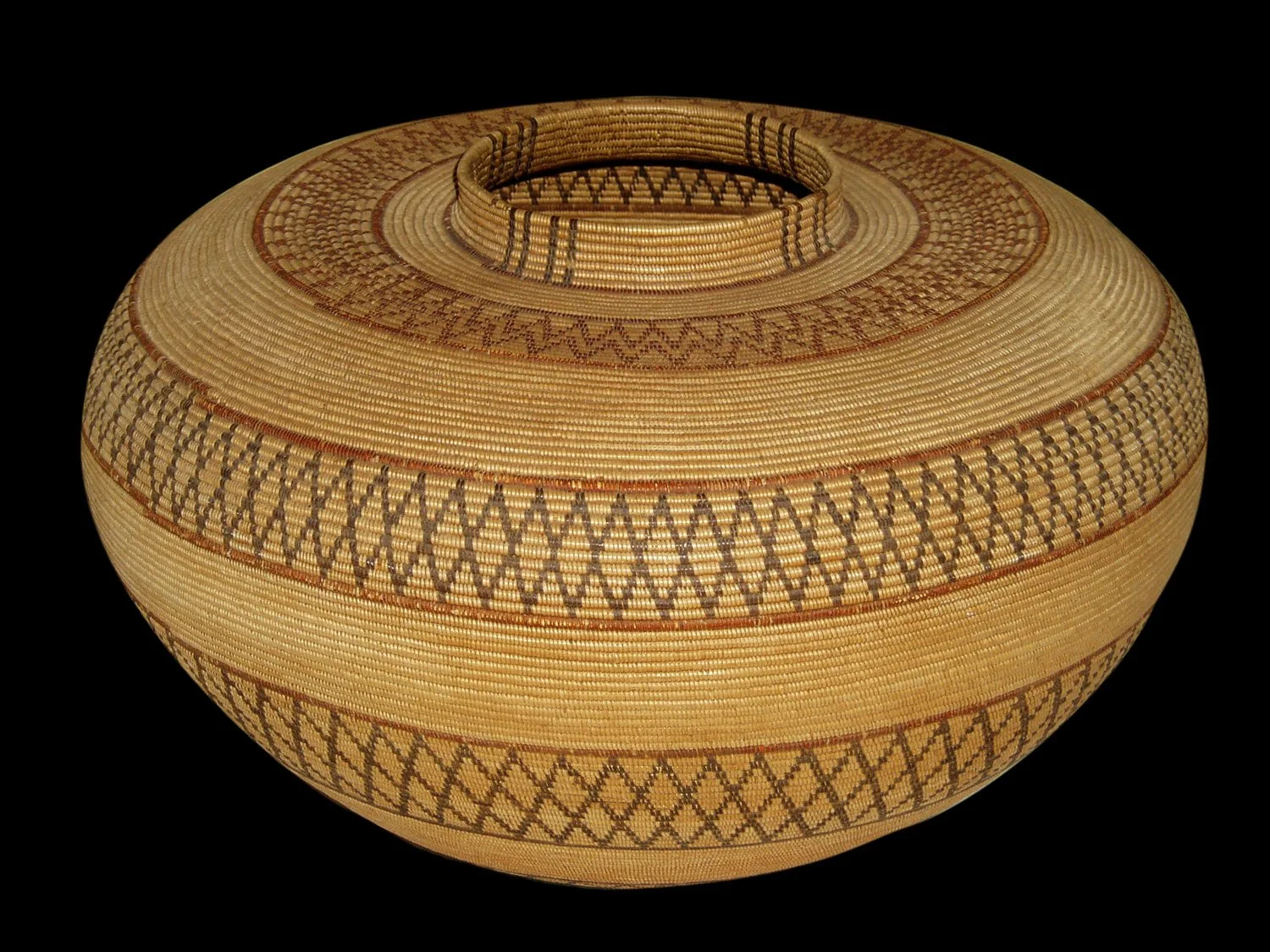
Museum collections of Native American objects are almost entirely made up of secular objects. Most Southwest and Plains Indian collections were made from objects collected after tribes began commercial productions of Native American arts in the 1870’s and 1880’s. Commercial trade by Northwest Cost and Alaskan Native tribes date even earlier, to the late 18th century. Art museum collections reflect their donor’s interest in objects from the 150-200 years of legal trade in Native American art and artifacts. The new regulations will discourage private collectors of Native American, Alaskan Native and Native Hawaiian art from donating artworks to museums for the public’s education and enjoyment, fearful that gifts will become subject to unproveable tribal repatriation demands. Ironically, most Native Americans do not live on the reservations to where objects would be repatriated. Over half of the U.S. American Indian and Alaska Native population lives off-reservation with a majority living in urban or suburban areas served by museums subject to NAGPRA. According to the U.S. Census Bureau, more Native Hawaiians now reside in the continental U.S. than in Hawaii.
The forced repatriation of an object as to which a museum has good and lawful title under State law, but as to which the museum lacks a “right of possession” (as defined in NAGPRA) because it cannot be proved that the object was acquired with the consent of its original owner would result in a 5th Amendment taking. The new revisions to existing NAGPRA regs were made without a formal review of their Fifth Amendment takings implications as required under Executive Order 12630.
No reassessment of NAGPRA implementing regulations has been made after the U.S. Supreme Court’s decision in Rice v. Cayetano, 528 U.S. 495 (2000). The Court found that Native Hawaiians are an ethnic minority or race and not analogous to federally recognized Indian tribes that enjoy a “special” relationship with the U.S. government. Although, a voting rights case, the Rice v. Cayetano decision calls into question whether Native Hawaiians may be granted special privileges without violating constitutionally mandated equal protection.
Native American activists have made hyperbolic claims that all artifacts in museums are “stolen” and accordingly, all artifacts must be returned to tribes. Such claims are false and simply an attempt to revise history to support a larger political agenda. Activists intentionally conflate repatriation with reparations for past injustices suffered by Native peoples. Most artifacts in museum collections were in fact purchased from Native Americans and Native Hawaiians. The remainder of these objects were obtained by barter, gift, or discovery. Very few objects in museum collections, if any, were obtained through looting, theft or armed conflict. Native American activists successfully captured the rule making process at DOI during the last administration. The resulting revised NAGPRA regulations are a disaster for museums and endanger the collective heritage of all Americans. Prompt action must be taken to remedy the disaster at U.S. museums caused by these misguided revisions to NAGPRA regulations before any more damage is done.